
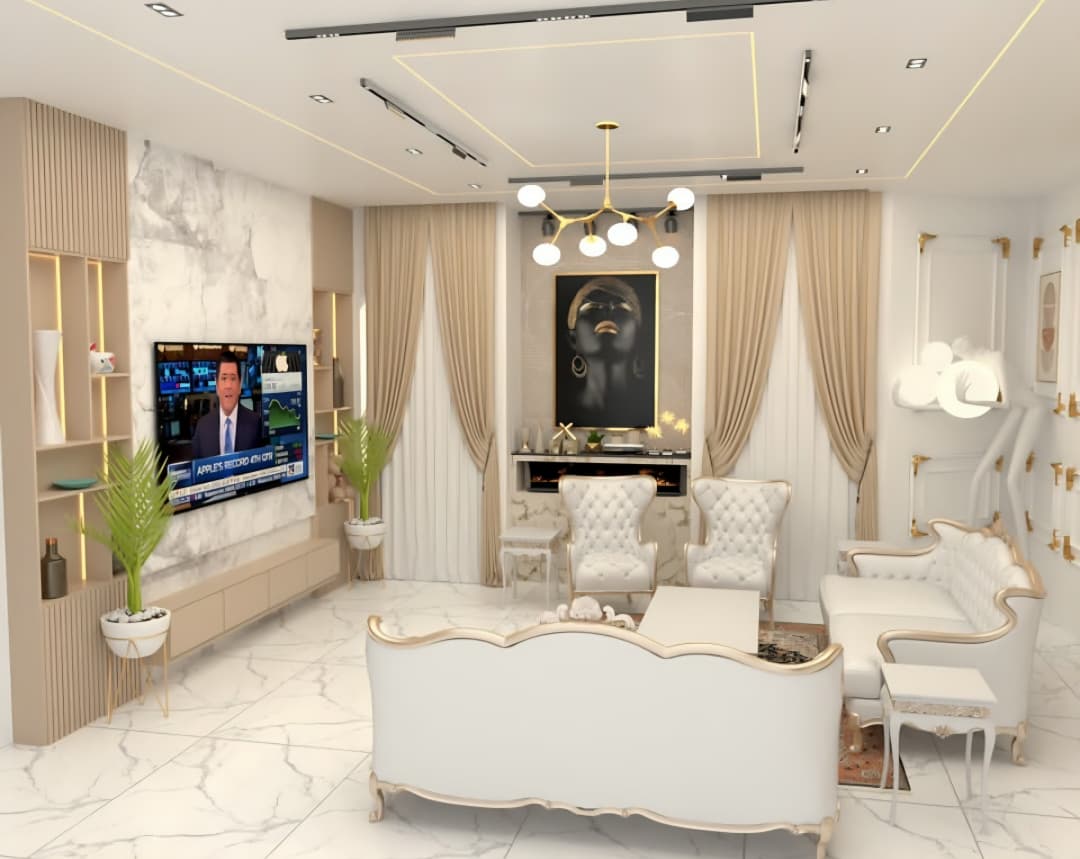
A beautiful space starts with a clear plan and a realistic budget
Whether you are finishing a new home, renovating an apartment, or preparing a business space, understanding your interior design quote helps you make better decisions and avoid unexpected expenses.
The total figure matters, but so does what it covers. Does it include installation? Who handles deliveries? Are lighting fittings included, or only the electrical work?
Here is what to look for before committing to your project.
1. Design Fees: Planning Your Space
Design fees cover the professional work needed to turn your ideas into a practical plan. Depending on your agreement, this may include:
- Consultation and assessment of your needs.
- Space planning and furniture layouts.
- Colour schemes and material selections.
- 3D visualisations.
- Drawings and specifications for execution.
Your quote should state which deliverables you will receive, how many revisions are included, and whether site visits are charged separately.
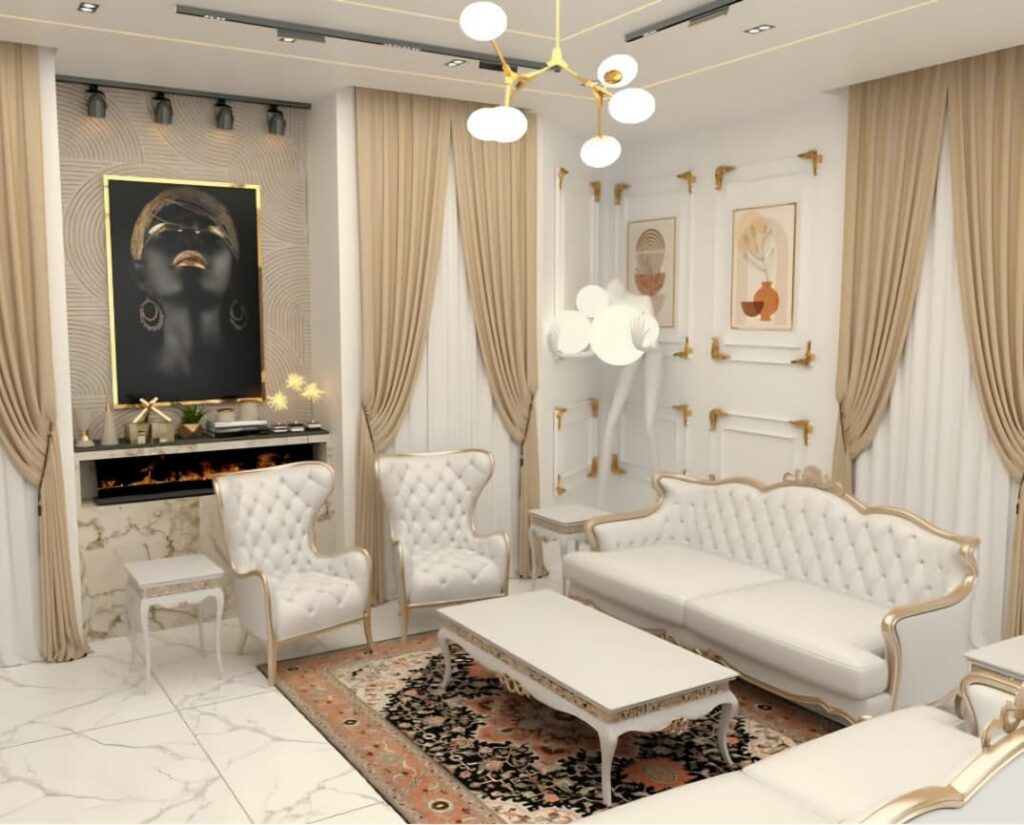
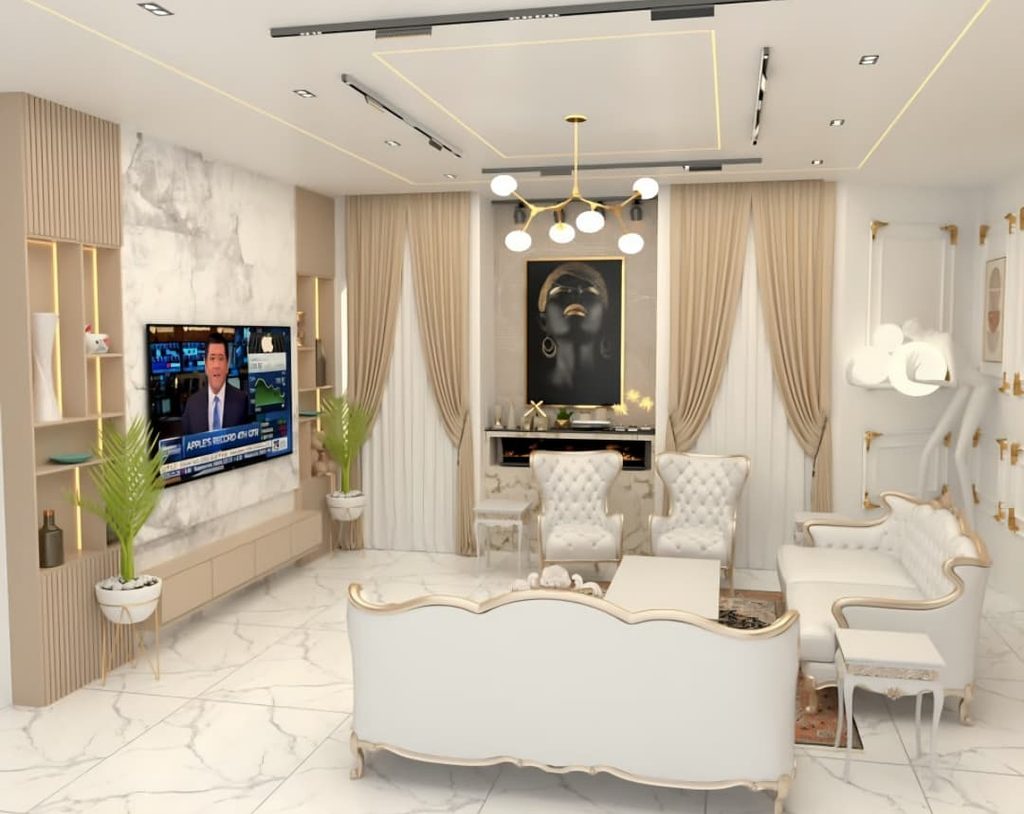
Illustrative example: Before fitting out a living room, a furniture layout can help you confirm sofa sizes, walking space, television placement, and socket positions before purchases begin.
2. Materials: Specify What You Are Paying For
Premium finishing” sounds attractive, but it does not tell you exactly what will be supplied.
For materials such as paint, ceiling components, flooring, wall finishes, and cabinetry, your quote should identify the relevant specifications, quantities, and quality level.
Where a product has not yet been selected, ask whether the amount shown is an allowance that may change.
Illustrative example: A painted feature wall and a wall finished with decorative panels involve different materials and installation requirements. Decide which finish you want before comparing prices.
Also check whether delivery, handling, and reasonable material wastage are included.
3. Labour: The Cost of Proper Installation
Materials are only part of the job. Your budget must also cover the people who prepare, build, fit, and finish the space.
Depending on your project, labour may include screeding, painting, ceiling installation, carpentry, electrical work, plumbing, and furniture assembly.
Ask whether the labour price includes surface preparation, removal of existing finishes, scaffolding where needed, and clearing construction waste.
Illustrative example: Repainting a damaged wall may require repairs and preparation before the final paint is applied. A quote covering only painting leaves those additional tasks unresolved.
4. Furniture and Furnishings: Budget Beyond the Sofa
A room can be fully painted and still be far from complete.
Allow for the furniture and finishing pieces your space needs, including beds, sofas, tables, storage, curtains, blinds, rugs, and accessories.
Your quote should distinguish between custom-made furniture and ready-made items. It should also clarify dimensions, finishes, upholstery, delivery, and installation.
Prioritise essential pieces first. Decorative accessories can follow in a later phase if necessary.
5. Lighting: Include Both Fittings and Electrical Work
Lighting affects how comfortable and functional a space feels.
Your quote should explain whether it includes the lighting plan, fittings, wiring, switches, sockets, installation, and testing.
Illustrative example: A ceiling quote may include recesses for concealed lighting without including the LED strips, drivers, or electrical connections. Confirm the complete scope before work starts.
Plan lighting around how you will use each room, including general illumination, focused task lighting, and decorative accents.
6. Project Supervision: Clarify Who Coordinates the Work
A project needs someone to check progress, coordinate trades, and confirm that the agreed design is being followed.
If supervision is included, your quote should state:
- Who is responsible.
- How often site visits will take place.
- What progress updates you will receive.
- Whether procurement and delivery coordination are included.
- Who handles final inspections and outstanding corrections.
Design, supervision, and full project management may be separate services. Confirm which level of support you are paying for.
7. Contingency: Leave Room for the Unexpected
Avoid allocating every naira before work begins.
Keep a separate reserve for unforeseen work, particularly during renovations where some conditions only become visible after existing finishes are removed.
The appropriate amount depends on the property’s condition and how clearly the scope has been defined. Agree a sensible allowance with your designer after the site assessment.
Your contingency should remain under your control. Additional work should be explained, priced, and approved before it proceeds.
Before You Approve the Quote
Check that the document clearly states:
- The scope of work and exclusions.
- Material specifications and any provisional allowances.
- Delivery, installation, and applicable taxes or charges.
- The payment schedule and its milestones.
- The expected timeline and key dependencies.
- How changes and additional costs will be approved.
- How long the quoted prices remain valid.
When comparing proposals, compare the scope alongside the total. A lower figure may cover fewer materials, services, or finishing details.
Let’s Plan Your Space with Confidence
At STEWARD DESIGNS, we believe your space should reflect your lifestyle, serve your needs, and make thoughtful use of your budget.
Planning a new interior or renovation? Request a consultation to discuss your ideas, priorities, and the scope of your project.
Email: info@stewarddesignsng.com
Website: https://stewarddesignsng.com
Instagram: @steward.designs
STEWARD DESIGNS
Interior Design & Construction